10th grade Humanities - 3D Storyboarding of the HIstory of Architecture from Pre-Columbian to Present

“I saw the future of high schools yesterday. It wasn’t about cool digital aps, laptops, or talking to other young people on the other side of the world. It was re-engineering schooling around young people and their lives. Only in its second year, ACE Leadership High School, a charter school in Albuquerque, has the key to to unlocking our young people’s hearts and minds.

Michael, a 10th grader made the point very clear, “In regular schools, you either make it or you don’t. If you fit into their style, you’ll succeed. If you don’t, you fail. ACE molds itself around us.” In the policy world, we call that customization.” — from Customizing Without Computers, by Chris Sturges of Youth Transition Fund Group.

2012 Trimester 3 Exhibitions:

If you are interested in attending any of the exhibitions as a guest or an evaluator or would like more information, please contact Tori Stephens-Shauger at (505) 242-4733 or tori@aceleadership.org. We would love to have evaluators who are willing to ask students to defend their comments using their learning and making connections between projects. Our students benefit from having feedback from others.

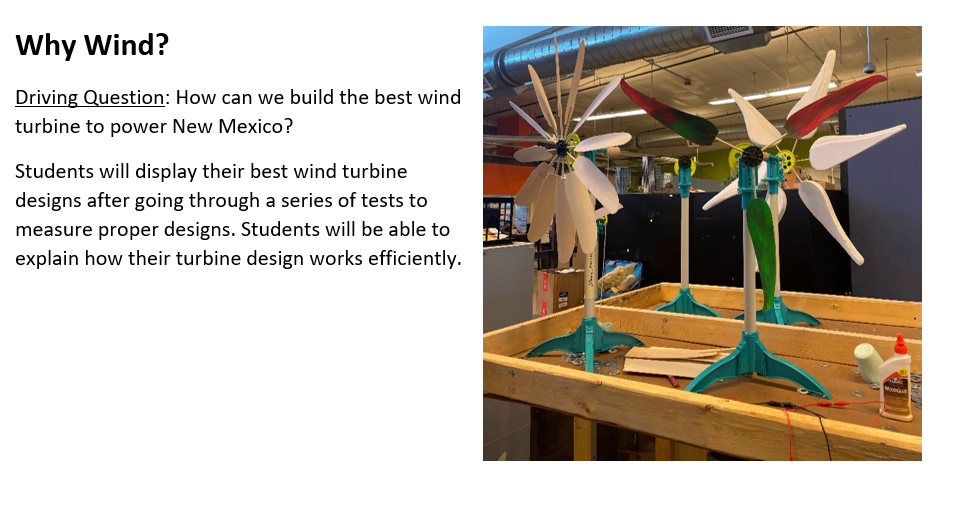
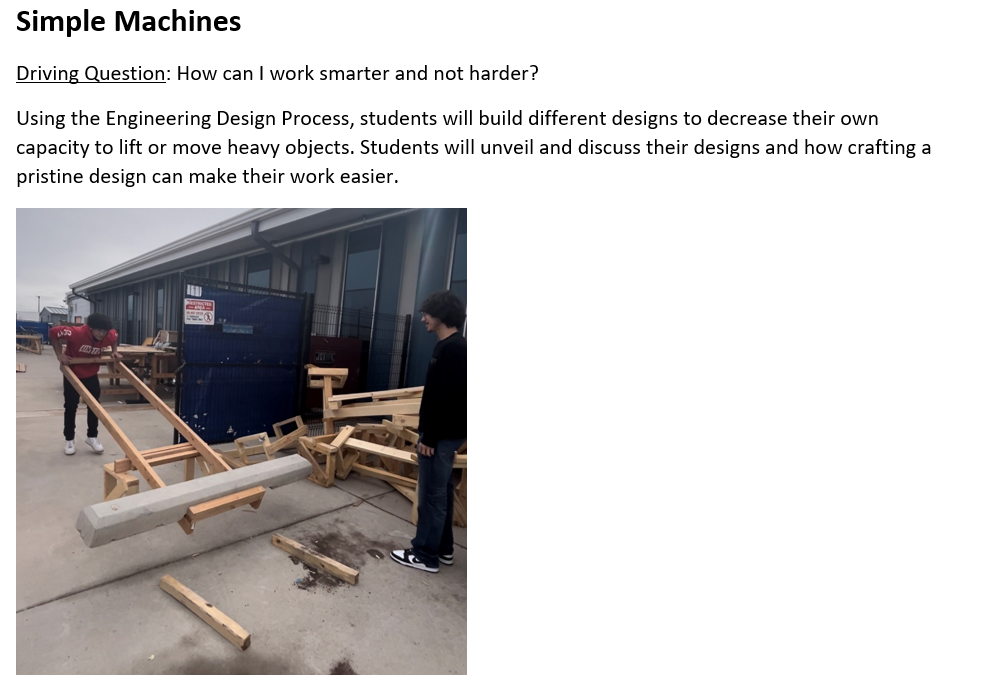
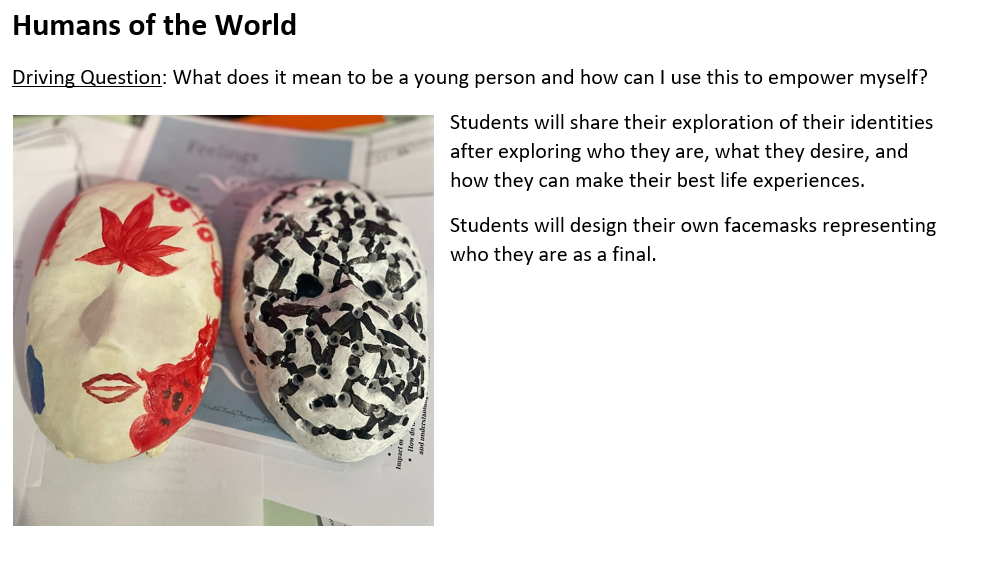
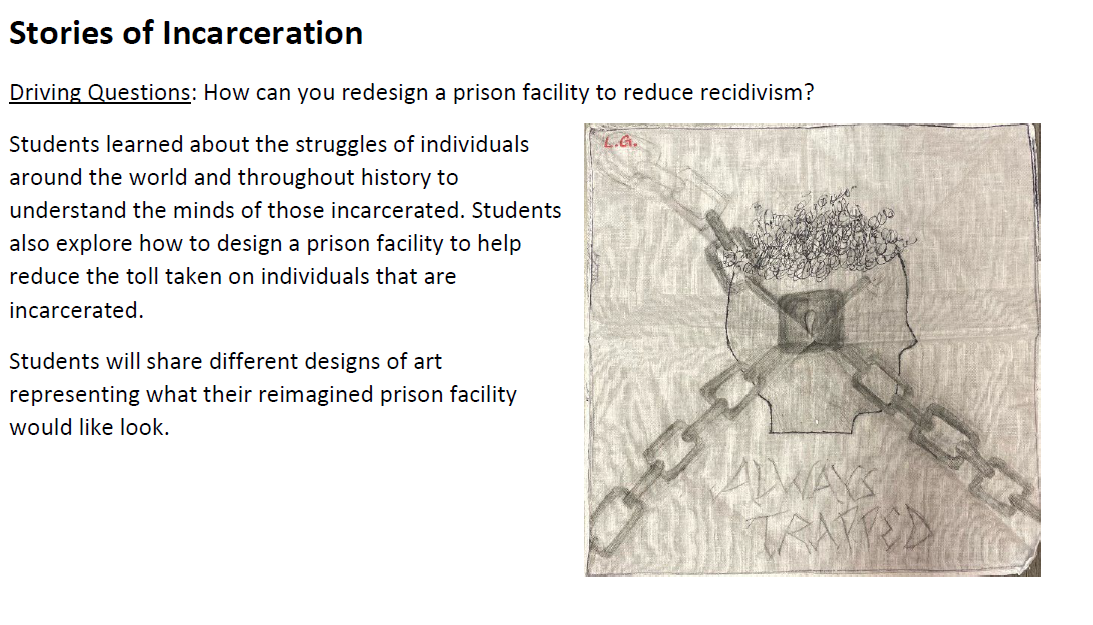
June 18, 2012 – The 10th grade students will be presenting work from their Humanities and Spanish projects.

June 18, 2012 – The 9th grade students will be presenting work from their Humanities and Spanish projects.

June 20, 2012 – Our evening students will be presenting their project work from all classes from 5:00PM until 7:00PM.

What are Exhibitions at ACE Leadership?

Exhibitions – a student’s performance assessment that can be summative or formative and can be related to one class or a combination of experiences.

  • Exhibitions are a result of what happens in the classroom, not independent projects or “add-ons.”
  • A tradition we have at ACE Leadership.
  • Both quantitative and qualitative data is used in addition to class performance and standardized test data to make overall determination about the next step for the student.
  • Evaluators can include different members from the community (family, the student, her peers, ACE LHS staff, mentors, ACE professionals) and can be flexible depending on the content of the Exhibition.

Specific Types of Exhibitions held at ACE Leadership High School:

Project/Job/Task Exhibitions – the purpose of these exhibitions is to serve as formative or summative assessments within the classroom as framed by the Project Based Learning framework and directed at the specific learning outcomes related to the work in class.

  • Structured within the PBL planning tools by the teachers.
  • Can apply to a single class or multiple classes that are working on the same job.
  • Data from these exhibitions are used to determine if the student has successfully completed the learning outcomes associated with the project, job, or task assigned. Data from exhibitions are also used to determine earned credit (see grading policy).
  • The teacher coaching the students through the exhibition, as well as the students, will determine evaluators for these exhibitions.
  • These exhibitions are completed within the content classes supported by the teachers.

Gateway Exhibitions – These exhibitions are a ceremonial synthesis of student learning directly connected to the Graduate Profile Resume. Family Meetings are “practice gateway” exhibitions. This is an opportunity for students to demonstrate to ACE professionals that they are prepared to work for their companies. This is an opportunity for ACE professionals to provide feedback to potential employees, students to provide staff with information for college or job recommendations, and allows students and staff to identify areas of strength and needed growth as it relates to the Graduate Profile Resume.

There are three Gateways:

Apprenticeship to Journeymen Gateway (10th grade to 11th grade). Happens towards the end of a student’s second year at ACE Leadership.

  • NCCER Core Curriculum is completed – NCCER transcript
  • Next Step Plan with goals is reflected upon and referred to with a future focus – reflection and growth
  • Evidence of architecture, engineering, and construction experiences – class project work
  • No missing credits required for graduation – transcript review
  • Evaluators will be peers, ACE professionals and other related community members – graduate profile resume

Journeymen to Master Gateway (11th grade to 12th grade). Happens towards the end of a student’s third year at ACE Leadership.

  • Next Step Plan with goals is reflected upon and student’s choice is made regarding A, C, or E focus for their Master year – reflection and growth
  • No missing credits required for graduation – transcript review
  • Evaluators will be peers, ACE professionals and other related community members – graduate profile resume

Master to Graduation Gateway (graduation). Happens at the end of a student’s fourth year at ACE Leadership.

  • Senior ACE Project successfully completed – evidence shared
  • ACE related certifications (LEED AP, OSHA 30, CDT, ASQ, etc.)
  • Off campus experience successfully completed – evidence shared
  • All required standardized and post-secondary required tests successfully completed – evidence shared
  • Post-secondary transition plans completed and planned for – included in the student’s Next Step Plan, reflection and growth
  • All required credits earned – transcript review
  • Evaluators will be peers, ACE professionals and other related community members – graduate profile resume

With the exception of the Master to graduation Gateway, the work for these exhibitions would be completed in a variety of classes and then compiled with the support of their Advisor in Advisory. The Master to graduation Gateway may have deliberate senior project and post-secondary planning that may be housed in a specific class in addition to Advisory.